Can You Take Photos Inside a Casino? The Unwritten Rules Every High Roller Must Know
Walk into any premier gaming floor from Macau to Monaco, and you will notice a peculiar tension: dazzling architecture begging to be captured, yet an invisible barrier around every felt table. The question of whether you can take photos inside a casino is not a simple yes or no—it is a complex interplay of security protocols, regulatory frameworks, and cultural etiquette that separates seasoned gamblers from clueless tourists. 🎰
The Default Stance: Photography Is a Privilege, Not a Right
Contrary to what social media influencers might suggest, most casinos operate under a strict default prohibition on photography. This is not arbitrary paranoia. Gaming floors are highly controlled environments where surveillance systems, chip tracking technology, and dealer procedures are designed to protect both the house and the patron. A single photograph of a blackjack shoe or a roulette wheel layout can reveal card sequencing patterns, shuffling techniques, or table limits that advantage players exploit. Casino security teams treat unauthorized photography as a potential **advantage play reconnaissance** tactic, and they respond accordingly.
Where You Can Actually Snap a Shot Without Getting Tossed
The good news for casual visitors is that most major casino resorts have carved out designated zones where photography is warmly encouraged. The Las Vegas Strip corridor, the Venetian's Grand Canal Shoppes, and the atrium gardens of Singapore's Marina Bay Sands all permit guest photography in non-gaming areas. The rule of thumb is simple: if you are not standing on carpet that touches a gaming table, you are likely safe. Hotel lobbies, restaurant entrances, entertainment venues, and exterior facades are almost universally camera-friendly. However, the moment you cross the threshold onto the gaming floor, the **photography policy** shifts dramatically.
Why the Gaming Floor Remains a No-Photo Zone
Casino operators cite three primary reasons for restricting cameras on the floor. First, patron privacy—high-stakes players often wager millions and have no interest in appearing in a stranger's Instagram story. Second, game integrity—photographs of cards, dice, or wheels can be analyzed frame by frame to detect biases or predict outcomes. Third, security—images of cash cages, vault access points, and surveillance blind spots are valuable intelligence for criminal organizations. In jurisdictions like Nevada and New Jersey, gaming regulations explicitly empower casino management to ban photography, and violators can be cited for trespassing after a single warning.
The Evolving Landscape of Smartphone Cameras and Social Sharing
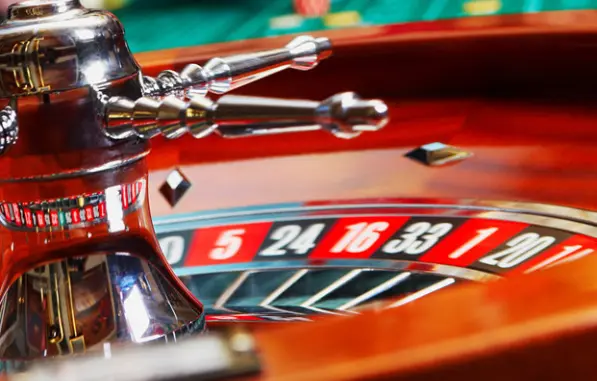
Modern smartphones have blurred the line between casual snapping and professional surveillance. A 108-megapixel sensor can capture a deck of cards from across the room, and live streaming apps can broadcast table action in real time. In response, many casinos now employ **RFID chip detection** and AI-driven camera recognition systems that flag any phone pointed at a gaming surface. Some properties, particularly in Europe and Asia, have responded by embracing controlled photography—allowing brief, flash-free shots in designated smoking lounges or VIP arrival areas, provided a host accompanies the guest. The trend is toward managed access rather than blanket prohibition.
Practical Strategies for Capturing Your Casino Experience Legally
If you want visual memories of your night at the tables, follow these field-tested protocols. Always ask a floor supervisor or guest services desk before raising your phone—politeness opens doors that demands never will. Use the resort's official photographers for group shots at signature restaurants or shows. Capture architectural details, floral displays, and exterior neon from public walkways. Never photograph other patrons without explicit consent. And if you are a content creator, seek written permission from the casino's marketing department well in advance; many properties now offer influencer access programs that include designated shooting windows.
The High-Stakes Consequences of Ignoring the Rules
Violating a casino's photography policy is not a minor infraction. Security personnel are trained to observe and respond within seconds. A first offense typically results in a firm verbal warning and a request to delete images. A second offense can lead to immediate removal from the property and a permanent ban. In regulated markets, offenders may face fines or misdemeanor charges. For professional gamblers, a trespass notice can jeopardize future comps, tournament invitations, and credit lines. The cost of a single illicit snapshot far outweighs any social media engagement it might generate.
Final Thoughts on Casino Photography Etiquette
The answer to whether you can take photos inside a casino depends entirely on where you stand, what you point your lens at, and how you conduct yourself. Respect the house rules, leverage designated photo zones, and when in doubt, ask first. Your bankroll and your reputation will thank you. 🎲